Representation in Candyman
Candyman narrates a classic urban legend horror story while introducing Black leads into positions in the limelight that we hadn’t been given before in Hollywood. The film gives perspective to the distinction that professor Due proposed in class between “Black Horror” and “Blacks-in-Horror”. Though highlighting Tony Todd as the main horror villain of the story did offer a Black character into the Horror cannon that was desperately needed, the film missed the mark with several problematic elements throughout such as the sacrificial negro trope and the demeaning depiction of the Cabrini-Green Projects. Candyman presents a shining example of the success and failures of the Blacks-in-Horror category of work.
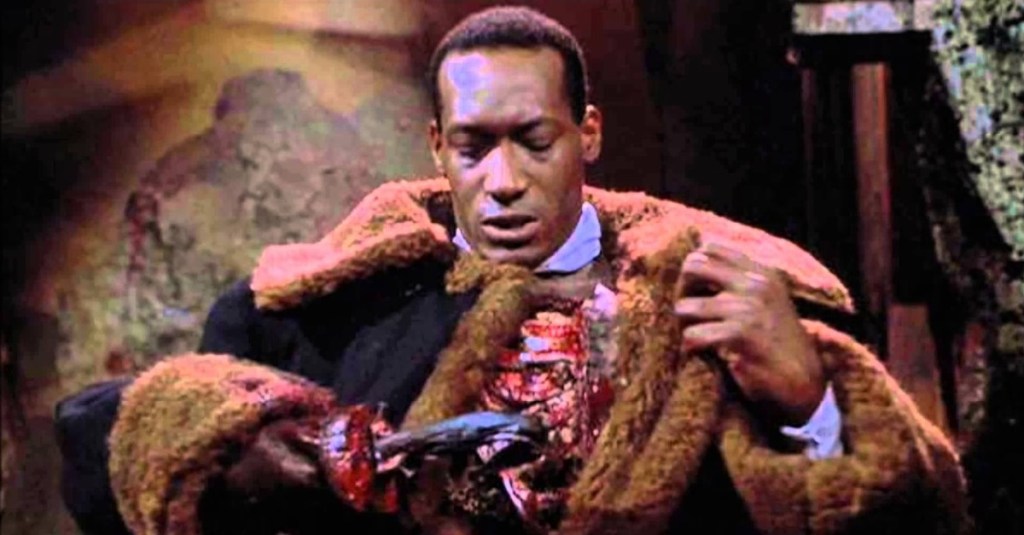
Tony Todd in the role of the Candyman broke barriers for Black actors and Actresses not only in Horror but, in Hollywood blockbusters in general, since the film was so successful and not necessarily targeted at Black audiences like films had been during the Blaxploitation era. The role isn’t necessarily a progressive role in that the Candyman preys on a white woman consistently throughout the entire film and takes out his vengeance on the members of the Black community members of Cabrini-Green instead of the White suburban characters who likely are more closely related to the people he wants revenge on but, It does at least give a role to a Black lead, which is very bare minimum. The Candyman character’s backstory does ease into Black Horror by focusing his backstory on racial violence to results in Candyman losing his hands, but for the most part, the first Candyman film does very little to focus on racial commentary and makes the Candyman backstory irrelevant to the primary plot of Helen’s urban legend research.
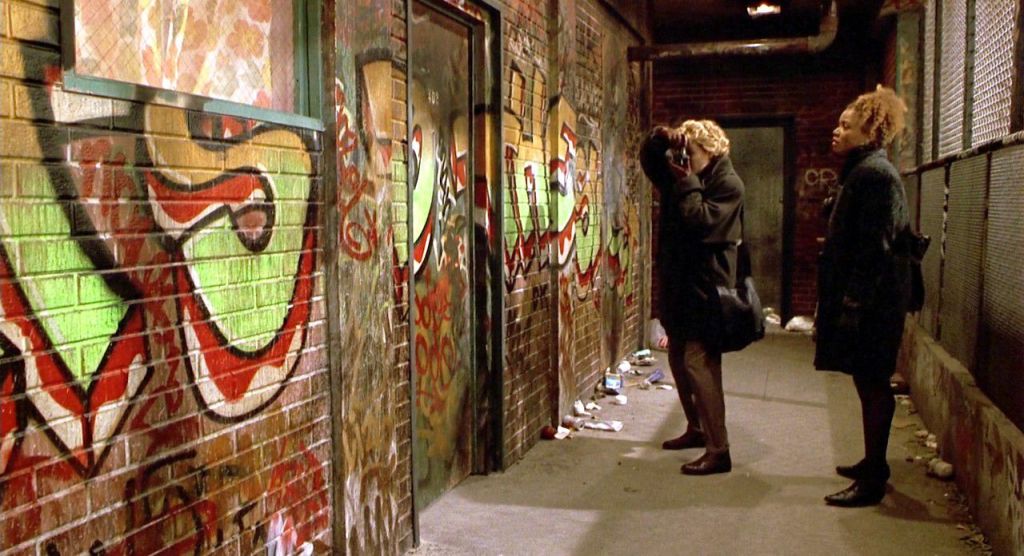
Aside from the Candyman, there are secondary and small role Black characters like the community of Cabrini-Green and Kasi Lemmons’s Bernadette. Bernadette further exemplifies the racial problematic of this film by becoming strictly a plot device for Helen’s research and the plot moving forward with higher stakes. Bernadette becomes the trope of the sacrificial negro by devoting herself to Helen’s terrible and dangerous research ideas beyond her own logic and eventually dying because of it. She also dies without any logical drive or motive to behave in the way she does aside from being Helen’s friend. Bernadette is not doing the research nor did she summon Candyman but, he still kills her for the sake of raising the stakes for Helen.
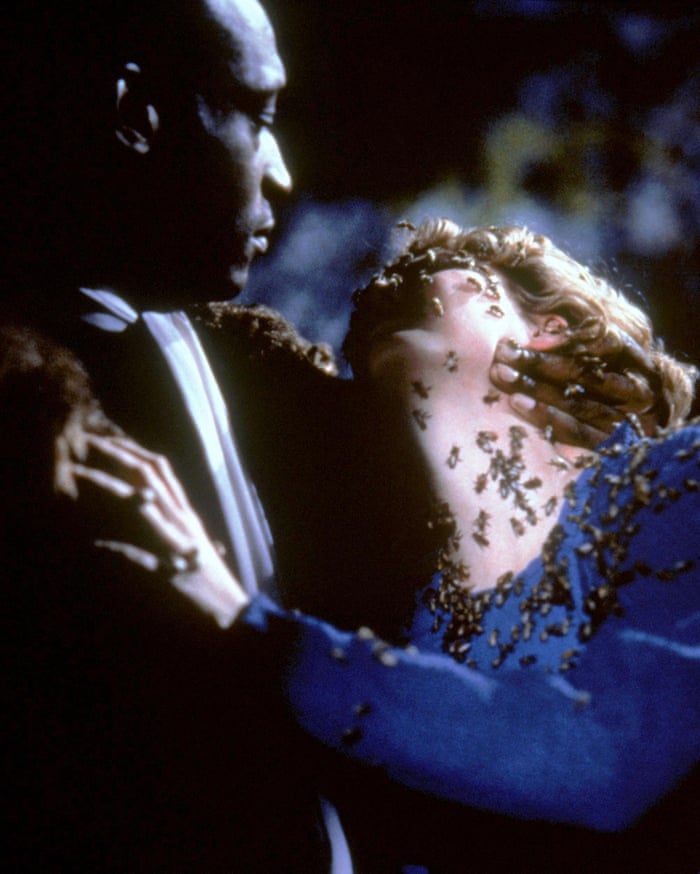
Helen illustrates the world quite literally revolving around a white woman and her antics in the film. Every character is way too forgiving and calm with Helen committing accidental recurring homicide and is extremely invested in her research for no reason, as it has no benefits to any of the characters and actually gets them all killed. For the most part actually, the majority of the victims of Candyman and Helen’s nonsense are black characters while, Helen’s colleagues who all seem like clear targets of the Candyman are safe. Every black character in this film is either subservient to Helen’s research, dead, unnamed, or a hook murderer, which isn’t really a great inclusion look
The characters who play a role in the community of Cabrini-Green illustrate problematic perceptions of race and class on the part of the filmmakers by portraying them as near illiterate and unreasonably dirty. The only time the characters in Cabrini-Green can seem to move the plot forward at all is when they are playing instrumental roles in giving Helen information for her research. In this way the film portrays the community as a device to help Helen and takes away any of their motivations beyond that and burning a bonfire. It becomes a way to demean the characters and people of Cabrini-Green that leads to larger stereotypes of low income communities and Black people. When I learned in lecture that Cabrini-Green is a real place, the issues with this film became even clearer and worse. The film makers then brought in real life implications of what it means to live in the projects and low income areas.By going further to make the area appear worse off wasn’t only unnecessary but, also ignores narrative realism by changing the portrayal of a real life place that the filmmakers intentionally chose to name. Actually naming the city of Cabrini-Green was also just generally unnecessary as they could have made up a fake name or
Follow My Blog
Get new content delivered directly to your inbox.

