Demons and trans-generational trauma
our own demons
In Professor Tananarive Due’s the Good House, themes of natural horror and reality of the black experience are explored and narrated using the supernatural as a vehicle for expression of trans-generational trauma. Professor Due explained that she used the demon as a personification of trans-generational trauma because much in the way that trauma lingers and follows in family lines, especially those of black families because of extensive exposure to historical trauma, demons haunt and torment lineages far beyond the initial point of impact.
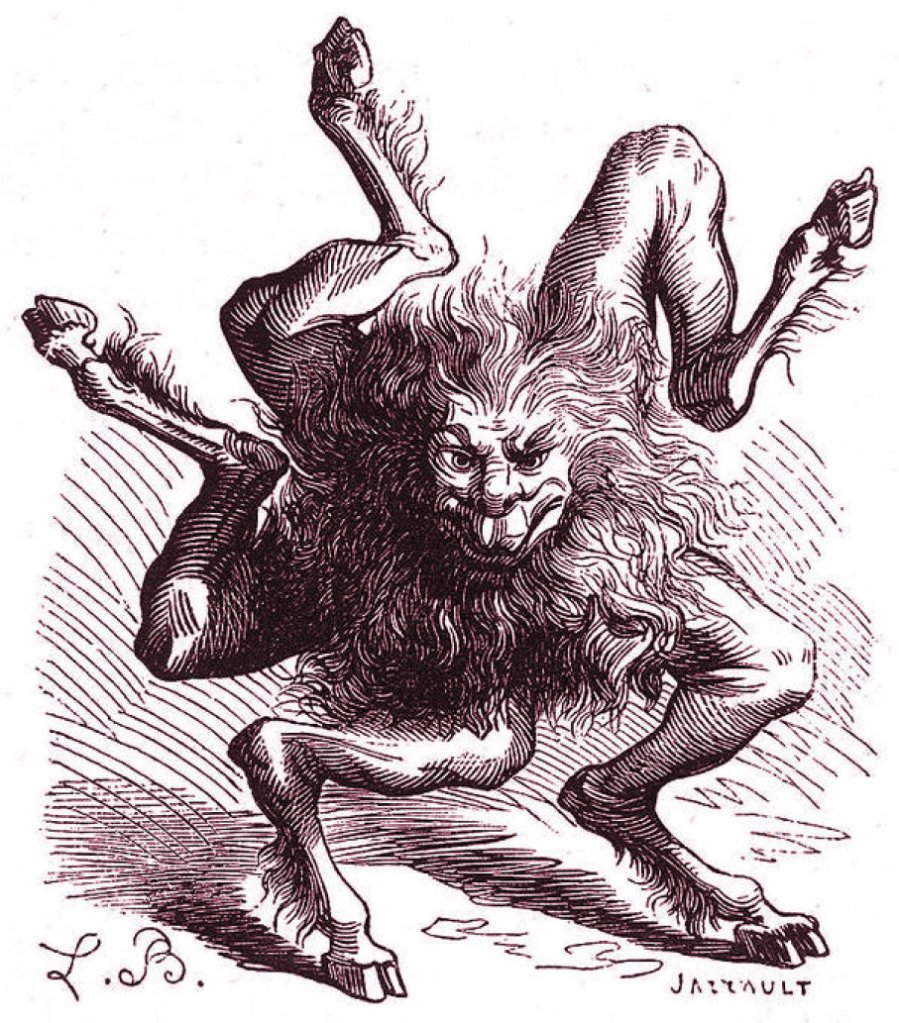
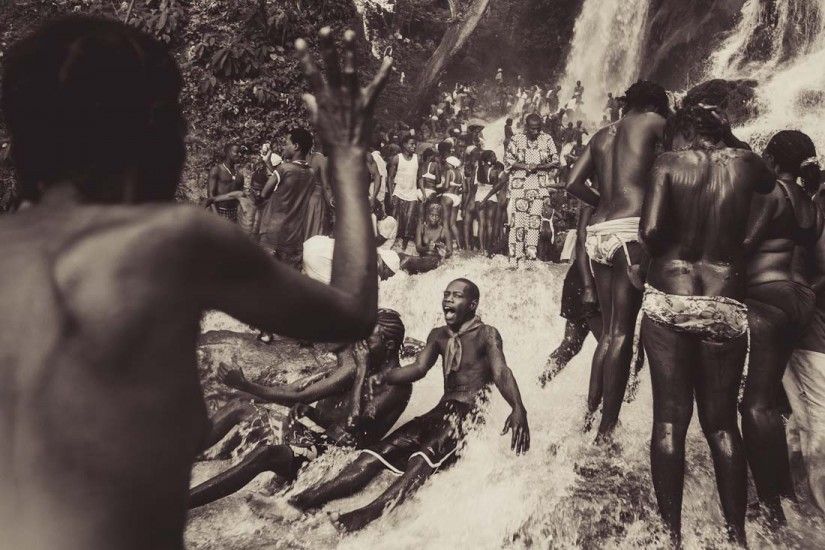
When we boil the metaphor of the demon down and place rational and real-life constraints to the Good House, we can come to understand that this horror story is not a far reach from many realities. In the way that the initial release, possession, and exorcism of the demon happened long before Angelique’s narrative and yet still caused impacts and casualties in her present day, trauma from centuries ago is carried along through our behaviors and mechanisms.


Reality of trauma
If we then replace the demon and possession with early black traumas, we can see that though we may not see the everyday adverse effects of slavery at face value, our ancestors did. From that initial trauma, their behaviors and mechanisms changed toward their children, friends and companions. This trauma may have manifested in many ways like anger, paranoia, isolation, or whatever a given person may use to cope which then impacted those around them. This begins a large chain reaction that indirectly impacts the present. In the way that Angelique did not actually personally interact with the demon or ritual, she was still impacted by it through her mother, her ancestry, the environment of the house, and later her family and son Corey’s interactions. Much like the demon and its attacks of everyone Angelique interacts with regardless of physical boundaries, our traumas too adversely impact every person we interact with subconsciously. Though characters like Tariq and Naomi were removed from Angelique’s background, they still saw the effects of the haunting through her. The conclusion of the novel implies that trauma can be confronted and partially corrected. By understanding our trauma and how it dictates our interpersonal relationships, we can confront out own “demons” and the demons that have followed use generationally so that they don’t get the better of us. We don’t get the luxury of a metaphorical restarts but, we also don’t deal with literal demons and we don have the opportunity to change our realities everyday.

